
AI MVP Sprint
From idea to working SaaS in weeks, built like a real product
AI tools made building MVPs cheaper. They also made it easier to ship something that breaks the moment a real user touches it. I help founders skip both extremes: a deployed web app with auth, payments, and a real schema, shipped in a defined sprint window.
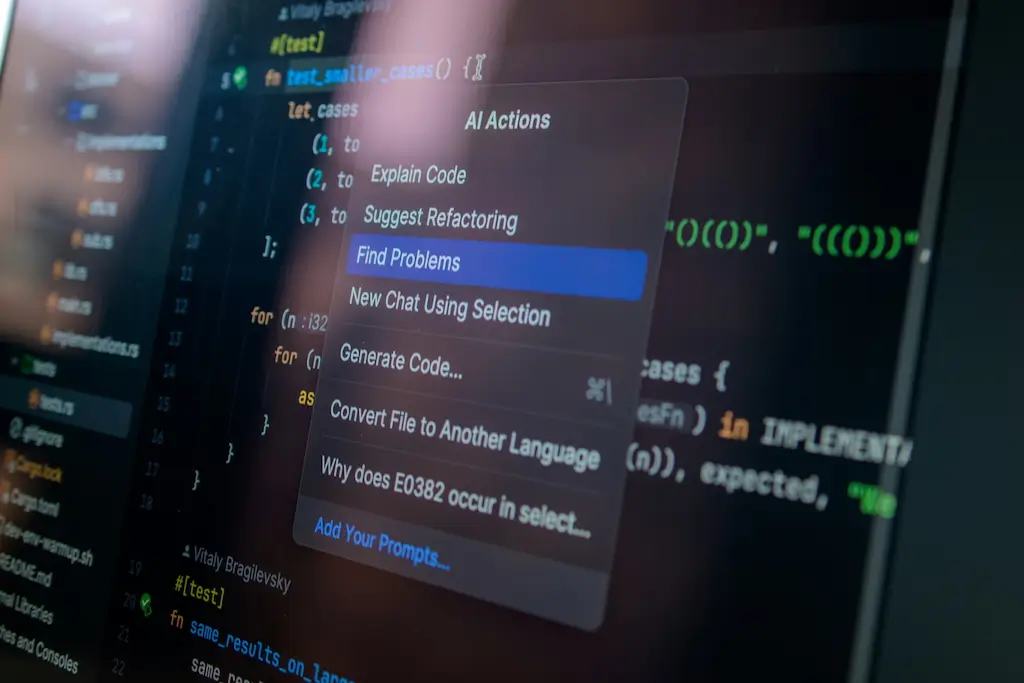
Senior product engineering, accelerated by AI
There are three usual paths to an MVP, and most founders get burned by all of them. I built this offer because the middle ground was missing.
No-code
Fast for landing pages and forms. Hits a wall the moment you need real auth, custom logic, or a payment flow that doesn't fit the template.
Vibe-coded
A demo built by pasting Copilot output. Looks good in a screen share. Falls apart the first time two users sign up at once or a real payment goes through.
Dev shop
Four months, sixty to eighty thousand, three layers of project manager between you and the code. By the time it ships your hypothesis has already moved.
The wedge
One senior product engineer, paired with modern AI tools, can ship a real working SaaS in two to six weeks. Not a demo, not a no-code patchwork, not a four-month enterprise build. A product your design partners can actually use on Monday.
You probably recognize one of these
Most founders I talk to are stuck somewhere between "I know what to build" and "I have something a user can pay for." That gap is what this sprint closes.
You have a clear idea and zero working code. Notion docs, Figma sketches, design-partner conversations, but nothing deployed.
You tried no-code and hit the wall at user auth, custom billing logic, or a workflow that didn't fit the template.
You vibe-coded a demo and now you're scared to show it to a paying customer. It works on your laptop and nowhere else.
Dev shops quoted you four months and sixty thousand. You'd rather validate the next version of the product by then.
You're a technical founder, solo, and you need someone who builds at your level instead of slowing you down.
You have one to five design partners waiting, and the longer you take to ship the colder they get.
How a sprint runs
You see working software at every weekly milestone, not a six-week black box. If something is off, we catch it in week one, not at launch.
Step 1
Scope & spec week
- 30-minute call to understand the idea and the design partners.
- One week of structured scoping: written spec, wireframes, stack choice.
- Fixed-scope quote at the end. No surprises later.
Step 2
Build sprint
- Typically two to six weeks of focused build.
- Weekly working demos. You click around the real app, not slides.
- Founder reviews each milestone, scope adjustments are explicit.
Step 3
Launch & handover
- Deployed to production with your domain, accounts, and keys.
- Source code, docs, and a Loom walkthrough of the architecture.
- Optional ongoing engagement for the next iteration.
What's actually in the box
Concrete pieces, not bullet-point promises. The exact stack is chosen in the spec week based on your product, but here's the typical shape.
Web app
Next.js or a similar modern framework, deployed and responsive on day one.
Auth
Clerk, Supabase Auth, or NextAuth, depending on whether you need social login, magic links, or org-level roles.
Database & schema
Postgres via Supabase or Neon, with a real relational schema designed for the next year of features.
Payments
Stripe Checkout or subscriptions when relevant, with webhooks wired up properly, not faked.
AI integrations
OpenAI or Anthropic APIs when the product needs them, with prompts, retries, and usage tracking handled server-side.
Deployment
Vercel, Fly, or Railway, configured with proper environments, secrets, and a domain you control.
Source code & docs
GitHub repo, README, a short architecture doc, and a Loom walkthrough so the next engineer can ramp in a day.
Post-launch fix window
Two weeks of bug fixes after launch included. Real users find things synthetic testing won't.
Why this isn't another vibe-coded MVP
I use the same AI tools as everyone else: Claude, Cursor, Codex. The difference is what gets accepted into the codebase and what doesn't. Speed is the easy part. Shippable is the part most people skip.
Tests on the paths that matter
Auth, payments, and the core user journey have tests. The rest doesn't, on purpose. We're building an MVP, not a NASA system, but the parts that lose your trust if they break are covered.
Real schema, not a JSON dump
Tables, relations, indexes. The version of your database you'll actually be able to add a feature to in three months, not the one where everything lives in a single "data" column.
Code the next engineer can read
Secrets handled server-side, sensible folder structure, no copy-pasted blocks of mystery code. When you hire your first engineer, they ship a feature in week one instead of asking for a rewrite.
Honest trade-off: a six-week MVP is not a six-month polished product. Some features will be deliberately simple, some edge cases will be deferred. We agree on that in the spec week, in writing.
Who this sprint is, and isn't, for
A good fit if
You have a validated idea and at least one to five design partners waiting.
The MVP scope is clear enough to write down in a week.
You want a real product, not a demo, in front of users this quarter.
You're happy with weekly demos and direct collaboration.
Not the right fit if
You're at the idea stage with no validation yet. Let's talk, but a different conversation first.
You need a multi-quarter platform with complex compliance. That's a different shape of engagement.
You want a full-time hire or a cofounder placement. This is fixed-scope, not staffing.
You're not available for weekly reviews. The sprint runs on tight feedback loops.
Pricing
Fixed-scope sprints, quoted after the spec week. Most MVPs land between a 3-week and an 8-week sprint, depending on payments, integrations, and AI complexity.
Equity-only or rev-share isn't a fit, but I'm happy to discuss a reduced rate plus small upside for the right team. Spec week itself is a small flat fee, credited toward the build sprint if we go ahead.
Frequently asked questions
How much does an MVP sprint cost?+
Fixed-scope, quoted after the spec week. Most MVPs land between a 3-week and an 8-week sprint depending on payments, integrations, and AI complexity. The spec week itself is a small flat fee, credited toward the build if we go ahead.
How long until my product is live?+
Most sprints ship in 3 to 8 weeks after the spec week. You get weekly demos, so you see real progress from week one instead of waiting for a big reveal.
What stack do you build with?+
Production-grade tools: Next.js or Laravel, a real Postgres database, Stripe for payments, and whatever AI APIs the product needs. You get the repo, the docs, and full ownership of the code.
What happens after launch?+
Every sprint ends with a proper handover: documentation, deployment access, and a 2-week fix window. After that you can run with your own team or keep me on for the next iteration.
Do you work for equity?+
Equity-only or rev-share is not a fit. I am happy to discuss a reduced rate plus a small upside for the right team.
Book a 30-minute call
Pick a time that works for you. Bring the idea, the design partners, and what "launched" looks like for you.
About
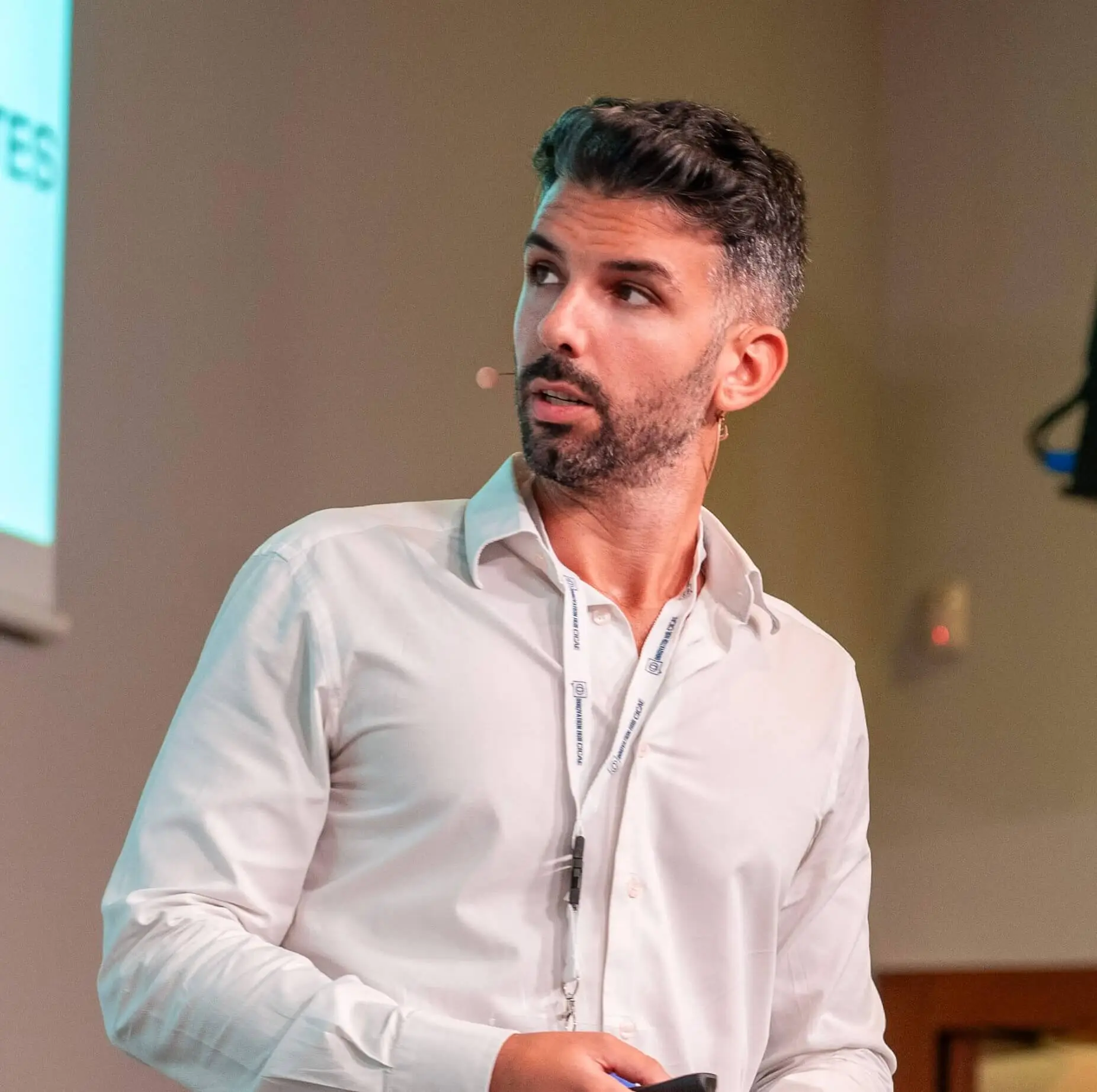
Ciao! I am a Full Stack Developer, UI Designer and Tech Consultant with a passion for new technologies.
Originally from Rome 🇮🇹, now based in Valencia 🇪🇸 where I bring my projects to life.
For almost a decade I've been building web and mobile apps focused on creativity and multimedia.
Recently, I have lead development and co-founded Sumo and Leoblocks platforms that push the boundaries of creativity and education.
With these startups I’ve collaborated with Google and Samsung on distribution and device campaigns, helped Sumo reach the #1 hottest startup spot in Finland twice, and scaled the platform to over 1M monthly active users.
I’m currently working on Immersive, a platform designed to connect entrepreneurs and investors in Spain’s thriving tech ecosystem.
I’m focused on building reliable and innovative solutions that help businesses and individuals achieve their goals.